Best Time for Hydroseeding in India: A Region-by-Region Guide
Urban Green ·
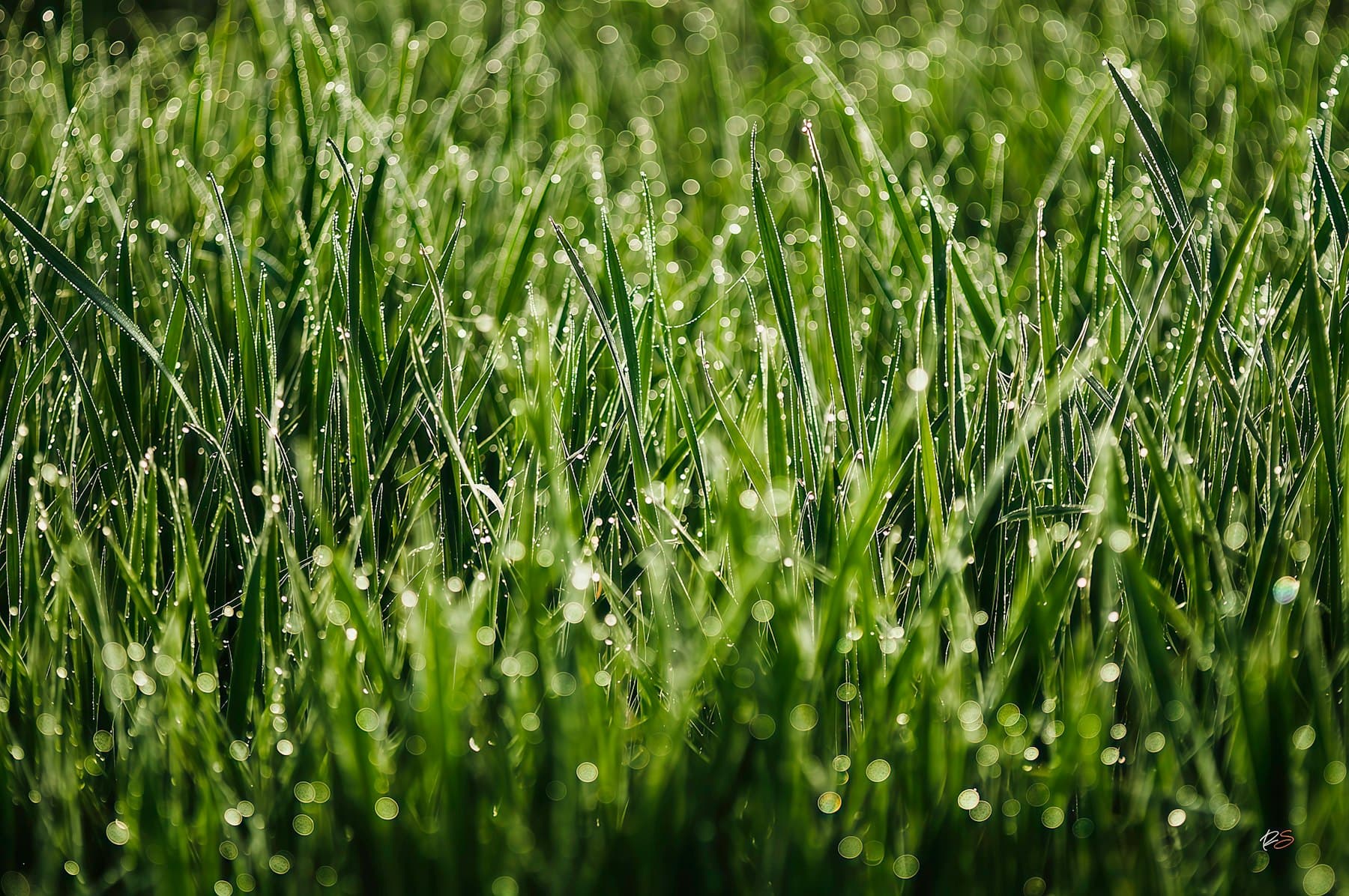
The best time for hydroseeding in India is when the soil is warm and stays moist. In most of the country that means the weeks just before and during the south-west monsoon, from about June to August. Spring is a second window where you can water. Tamil Nadu has a third, with the north-east monsoon from October to December. Avoid peak summer, the north Indian winter, and the heaviest early monsoon bursts on bare slopes.
What grass seed needs to germinate
A grass seed needs two things to sprout: warmth and steady moisture. Most lawn grasses grown in India are warm-season grasses, such as Bermuda, Zoysia and Paspalum. They germinate well in warm soil and stall when the soil turns cold.
Moisture matters just as much. A seed that gets wet, starts to sprout and then dries out will die. So the seed needs a moist surface for the whole germination period. Most lawn grasses sprout within one to three weeks, and they need that moisture all the way through.
Hydroseeding helps here. The mulch holds water around the seed and shades it from the sun. The binder holds the seed in place through rain. But the mulch cannot create warmth, and it cannot hold water forever in dry heat. The season still decides how easy the job is.
The best time for hydroseeding: three windows
Pre-monsoon
The weeks before the rains arrive are warm, and the soil is ready for growth. If you spray at this time and water lightly, the seed sprouts and the monsoon then takes over the watering. This window suits slopes well, because the blanket sets and the roots start before the heavy rain comes.
Monsoon
The south-west monsoon reaches Kerala around the start of June and covers most of India by July. Once the rains settle into a steady pattern, conditions are close to ideal. The soil is warm, the air is humid, and you need little or no watering. For large lawns and open grounds, this is often the easiest time to hydroseed.
Spring
From about February to March, days warm up across north and central India before the summer heat begins. Seed sown now grows well, but it depends fully on irrigation. Spring suits lawns with a reliable water supply more than remote slopes.
When not to hydroseed
- Peak summer. In April and May, most of north, west and central India is very hot and dry. The mulch dries within hours, young shoots scorch, and watering costs rise.
- The north Indian winter. From December to January, cold soil slows germination to a crawl. Seed sits in the mulch for weeks, and birds and weeds get a head start.
- The first heavy bursts on bare slopes. The opening days of the monsoon can bring very intense rain. Fresh mulch on a steep, bare slope needs time to set. Spray early enough before the rains, or wait until the heaviest bursts pass.
A simple test: if the soil feels warm in your hand and you can keep the surface damp every day, the timing is probably fine. If either is hard, wait for a better window.
Hydroseeding in India, region by region
North India
Punjab, Haryana, Delhi, Uttar Pradesh and the plains around them have hot summers and cold winters. The monsoon usually arrives here from late June. The best window runs from the onset of the rains into August. Spring, in February and March, is a good second choice with irrigation. Early autumn can also work, while days are still warm. Avoid May and June, when hot, dry winds blow, and the winter months.
West India
The west has two very different climates. The Konkan coast, Mumbai and the Western Ghats get very heavy monsoon rain. Here, spray slopes before the rains so the blanket sets, and plan lawns for the end of the monsoon, when the rain eases but the warmth stays. Gujarat and Rajasthan are drier, with a shorter monsoon from about July. There, the monsoon is the main window, and irrigation is part of every plan.
Central India
Madhya Pradesh, Chhattisgarh and Vidarbha have hot, dry summers and a monsoon that usually arrives in the second half of June. The best window opens once the rains settle and runs through August. September can also work, as the rains retreat. Spring is possible with water, though the northern parts of the region turn cool in winter. April and May are too hot for new grass.
South India
The south stays warm all year, so winter is not the barrier it is in the north. Kerala and coastal Karnataka get the south-west monsoon first and hardest, from early June. Inland areas such as Bengaluru and Hyderabad get moderate rain from June to September. Tamil Nadu is the exception. Much of the state gets most of its rain from the north-east monsoon, from October to December. That makes late in the year a strong window there, though cyclone bursts on the coast call for care on slopes.
East and North-East India
West Bengal, Odisha, Bihar and Jharkhand get the monsoon from about mid-June, with heavy rain on the coast. Pre-monsoon storms often bring useful showers in April and May. The North-East gets some of the highest rainfall in the country, and the wet season starts early. Here, the challenge is too much rain, not too little. Spray slopes in the drier spells, and give the blanket time to set before the peak rains.
Hill regions
In the Himalaya, cold sets the calendar. Winters bring frost and, at height, snow. The growing season runs from spring to early autumn. The monsoon brings heavy rain and landslides, so many sites do best in the spring, after the last frost, or in September, after the main rains. Southern hills such as the Nilgiris and Munnar stay mild but get heavy monsoon rain. Hill sites often need grasses suited to cooler weather. For road cuttings, see the guide on erosion control on hill roads.
Timing depends on the grass and the site
The windows above are a starting point. The right date for your job also depends on what you plant and where.
- The grass. Warm-season grasses want heat. Grasses for cool hill climates grow best in milder months. The guide to grass types covers which grass suits which conditions.
- Water on site. With a reliable supply, you can sow outside the rains. Without one, the monsoon is your only real window.
- The slope. Steep, bare ground needs the blanket set before heavy rain. See slopes and erosion control for how the seed, mulch and binder work on banks.
- Shade and soil. Shaded, cold or waterlogged corners warm up and dry out more slowly. Sandy soil dries faster than clay.
How to plan your hydroseeding date
Work backwards from the window. If you want a monsoon lawn, prepare the ground in May. Clear weeds, level the surface and fix drainage before the rains. On slopes, aim to spray before the first heavy rain, not during it. If you miss the main window, it is usually better to wait for the next one than to fight the heat or cold.
Whatever the season, the first weeks decide the result. Keep the mulch damp but not flooded, and keep people off until the grass is established. The guide to hydroseeding explains each step.
Urban Green is based in Jabalpur and works across India. We test a soil sample, check the site, and advise on the right window for your region, along with a watering plan for the first weeks.
Questions people ask
What is the best month to plant grass seed in India?
There is no single month for the whole country. In most regions the best time is just before or early in the monsoon, roughly June to August. Spring, around February and March, also works where you can water. In Tamil Nadu, the north-east monsoon from October to December gives a second good window.
Can you hydroseed during the monsoon?
Yes. The monsoon is often the best time, because the rain does most of the watering. The mulch and binder hold the seed through normal rain. On bare slopes, avoid spraying just before the heaviest bursts, so the blanket has time to set.
Can you hydroseed in winter in India?
In the south and on the coasts, yes, because winters stay warm. In north India, winter is too cold for most lawn grasses. Seed sown in December or January sprouts slowly and unevenly, so wait for spring.
Can you hydroseed in peak summer?
It is possible with heavy, regular watering, but it is a poor choice. Heat and dry wind dry out the mulch fast, and young shoots scorch. Wait for the pre-monsoon showers or the monsoon itself.