How to Control Soil Erosion on Hill Road Cuttings
Urban Green ·
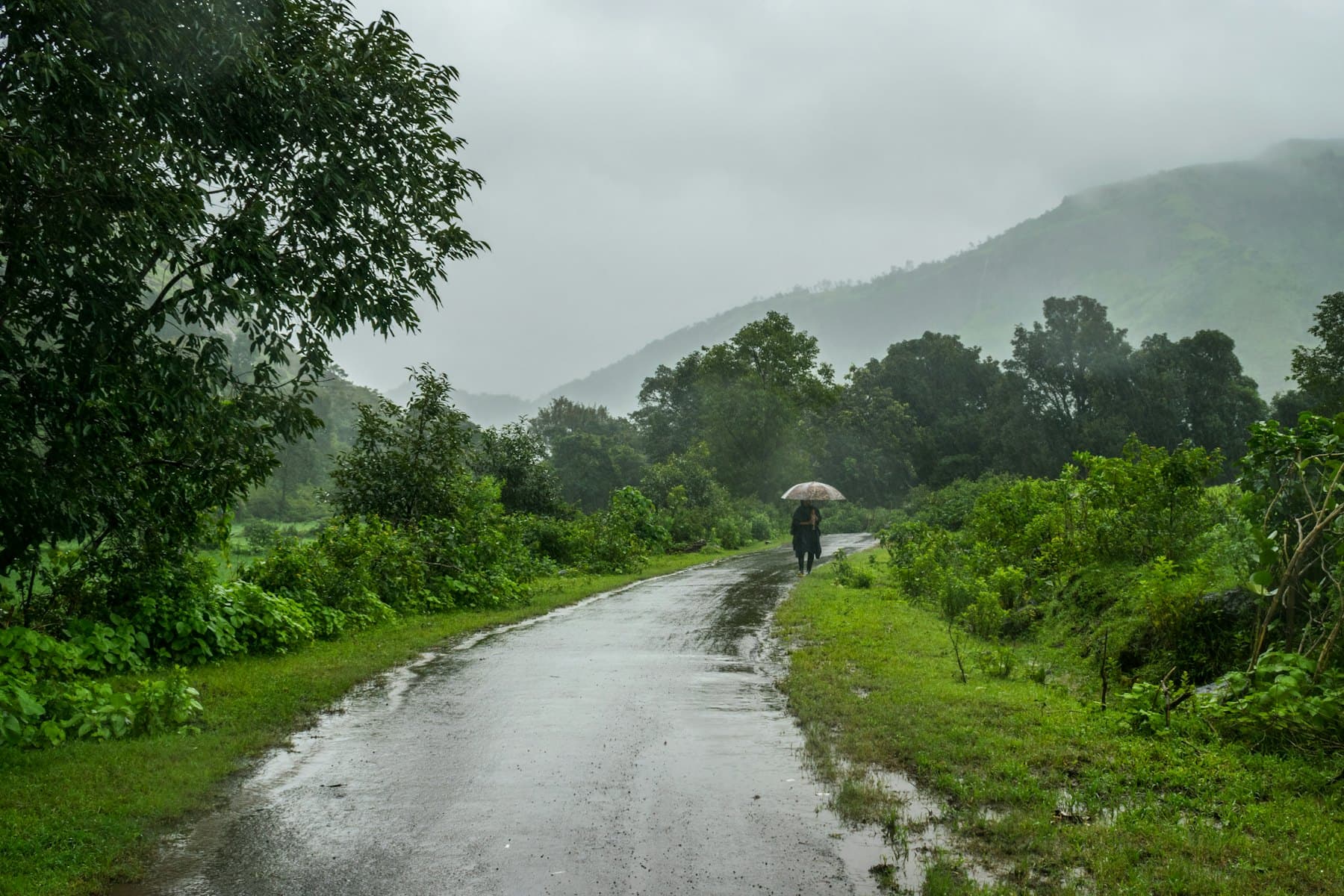
To control soil erosion on a hill road cutting, deal with the water first, then cover the bare soil before the monsoon, then grow roots that hold it. In practice that means catch drains and berms, an erosion control blanket or hydroseeded mulch on the face, and a grass and legume mix suited to the site. Where the slope itself is unstable, it needs soil nailing or another structural fix before any vegetation.
Why bare cut slopes fail in the first monsoon
A fresh cut exposes loose, unweathered soil with no roots and no organic layer. Nothing protects it from the rain. The damage follows a clear sequence, and each stage makes the next one worse.
- Rain splash. Raindrops hit bare soil and knock particles loose. The surface seals, so less water soaks in and more runs off.
- Rills. Runoff gathers into small channels down the face. Each storm deepens them.
- Gullies. Rills join and cut deep channels. A single gully can carry a large load of soil onto the carriageway in one storm.
- Toe erosion. Water from the face and the road meets at the foot of the cut. If the side drain is blocked or unlined, it scours the toe and removes the support for everything above.
- Shallow slips. Saturated topsoil loses strength and slides off in sheets. These slips are often only a metre or two deep, but they block drains and start the cycle again.
Most of this happens in the first monsoon after construction. A cut that gets through one season with good cover usually becomes much easier to keep.
Drainage comes first
No mat or seed mix survives water that runs uncontrolled over the face. Plan the drainage before any surface treatment. IRC guidelines on roadside slopes and erosion control give the general approach.
- Catch drains. Cut an intercepting drain along the crest, set back from the edge. It stops water from the hillside above reaching the cut.
- Berms. Break tall cuts into benches. Each berm shortens the run of water down the face and gives a place for a lined drain.
- Chutes and outlets. Carry collected water down the slope in lined chutes or cascades. Discharge it into a stable outlet, not onto the next slope below.
- Weep holes and subsurface drains. Where seepage shows on the face, give the water a way out. Weep holes in walls and shotcrete stop pressure building up behind them.
- Toe protection. Line the side drain at the foot of the cut and keep it clear. Most toe failures start with a blocked drain.
Erosion control blankets: coir and jute matting
An erosion control blanket is a natural-fibre mat laid on the bare face. It breaks the force of the rain, slows runoff and holds seed and soil in place while plants establish. It then rots away as the roots take over.
- Coir. Woven from coconut husk fibre. It is strong and slow to break down, so it suits steeper cuts, high rainfall and slow-growing sites. An open weave lets seed and mulch reach the soil through the mesh.
- Jute. Lighter and cheaper, and it breaks down sooner. It suits gentler slopes where cover will form within one season.
Installation matters more than the product. Anchor the top edge in a trench beyond the crest. Lay the rolls down the slope, not across it. Overlap each roll over the one below, like roof tiles, so water runs over the joints, not under them. Pin the mat close to the soil. A mat that bridges over hollows lets water run beneath it and cut rills out of sight.
Hydroseeding with bonded-fibre mulch
Hydroseeding sprays seed, mulch, fertiliser and a binder onto the soil as one slurry. On slopes the mix uses a heavy bonded-fibre mulch and more binder than a lawn mix. When it dries, it forms a blanket that sticks to the face. That blanket protects the soil from rain impact at once, before any plant grows.
The spray reaches faces that crews cannot walk safely, and it covers large areas quickly. On steep or very erodible cuts, spray it over an open-weave coir mat. The mat holds the soil and the mulch fills the gaps. For the full process, see the hydroseeding guide.
Choosing species: grasses, legumes and natives
The aim on a road cut is deep roots and fast, permanent cover, not a fine lawn. A blend works better than any single species.
- Grasses. Fibrous roots bind the top layer of soil. Some grasses spread by runners and close gaps on their own.
- Legumes. They fix nitrogen, which matters on poor cut soil with no topsoil. Their taproots reach deeper than most grasses.
- Native species. Local grasses and shrubs suit the rainfall, altitude and soil. Once established, they need little care. Vetiver is a well-known deep-rooted grass for slopes in India.
Fast-growing nurse species give early cover while slower natives establish beneath them. A soil test shows whether the cut needs lime, fertiliser or organic matter before the seed can take.
Soil nailing and mesh for unstable faces
Vegetation stops surface erosion. It does not stop a slope that is failing deeper down. Watch for tension cracks near the crest, bulging, leaning trees, fresh seepage or repeated slips in the same place. These signs call for a geotechnical check.
Soil nailing reinforces the slope from inside. Steel bars are drilled and grouted into the face in a grid. A mesh or shotcrete face ties the nail heads together, and weep holes drain the water behind it. A mesh face takes hydroseeding well, so the finished slope can be green, not grey. More on the method: soil nailing.
Matching erosion control methods to the slope
No single method suits every cut. Engineers usually combine soil erosion control methods by the condition of the face.
- Stable, gentle cut with workable soil. Drainage, then hydroseeding with bonded-fibre mulch. Jute can help where rainfall is high.
- Stable but steep or highly erodible cut. Drainage and berms, a pinned coir mat, and hydroseeding over the mat with extra binder.
- Weathered rock or very little soil. Steel or coir mesh pinned to the face, then a heavy mulch mix that gives the seed something to grow in. Expect patchy cover in cracks and pockets.
- Unstable face. Geotechnical design first. Soil nailing with mesh and full drainage, then hydroseeding over the mesh.
Timing ties every option together. The cover should be in place and the drains working before the monsoon breaks. Regional timing is in the best season for hydroseeding in India.
Maintenance after the first rains
The first heavy storms show where the design is weak. Walk the slope after them, not months later.
- Clear the drains. Remove soil and debris from catch drains, berm drains, chutes and the side drain.
- Check the mats. Re-pin lifted edges. Look for rills forming under the mat, and fill and re-cover them.
- Patch bare areas. Spot-spray or reseed gaps while the soil is still moist. Small gaps grow into rills.
- Look at the crest and toe. These fail first. Fresh scour at the toe usually means a drain problem upstream.
- Protect the cover. Keep grazing animals and burning off the slope until the plants are well rooted.
Urban Green runs its own hydroseeding machine and makes its own mulch. Its software reads a soil sample and the site conditions to choose the seed and mulch for each cut, and every job gets a written estimate and a follow-up.
Questions people ask
What is the best way to control soil erosion in hilly areas?
Control the water first with catch drains, berms and outlets. Then cover the bare soil before the monsoon with mulch, matting or both, and establish deep-rooted grasses and legumes. Unstable slopes need structural support such as soil nailing before any vegetation.
Which is better for slopes, coir or jute matting?
Coir is stronger and lasts longer, so it suits steeper cuts and high rainfall. Jute is lighter and breaks down sooner, so it suits gentler slopes where grass will take over quickly. Both are biodegradable.
Can hydroseeding work on steep slopes?
Yes, with a heavier bonded-fibre mulch and more binder than a lawn mix. On steeper or very erodible faces it is sprayed over an open-weave coir mat so the mat holds the soil while roots form.
When should erosion control be done on hill roads?
Before the monsoon. Bare cuts lose the most soil in the first heavy rains, so the cover should be in place and the drains working before the rains arrive.